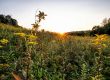
So we bought some land
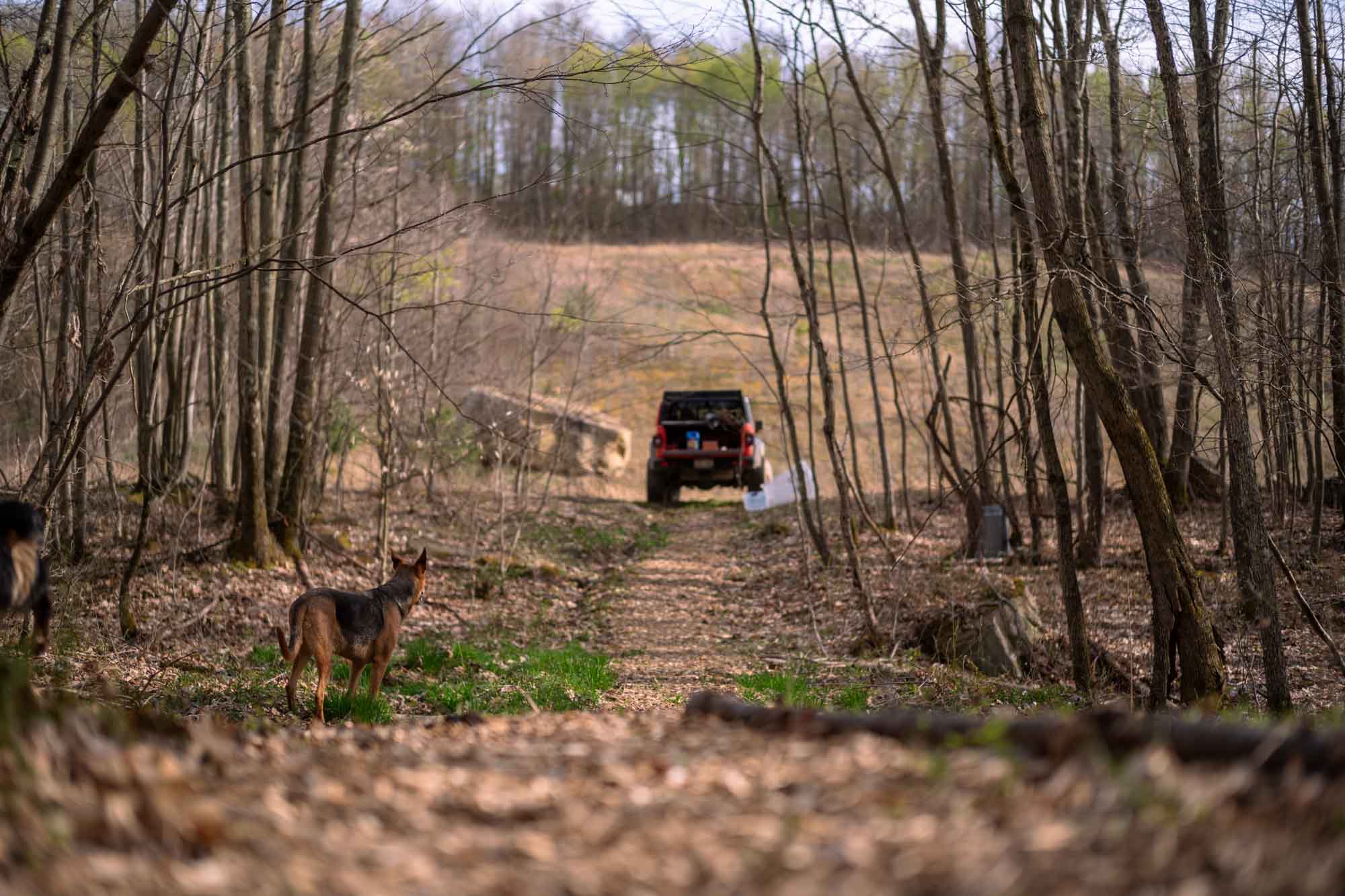
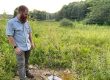
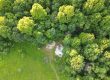
Like so many nature lovers, we knew we wanted to buy enough land to be surrounded by wildlife and the native plants that support them. With 40 acres, we have enough space to build our home and work on conserving the old strip-mined land. Ideas of which trees to plant, how to arrange the vertical structure to support different types of wildlife, whether a pond was feasible, and many other dreams were soon swimming through our heads. However, like many before us, we knew we needed to start tackling a much less enjoyable part of land conservation.

Tackling invasives first
Like most projects, addition is always more fun than subtraction, but we knew we needed to begin the laborious task of removing invasive plants. Many landowners have huge thickets to tackle, and our project seemed small by some comparisons. We are fortunate with the number of plants we have to remove.
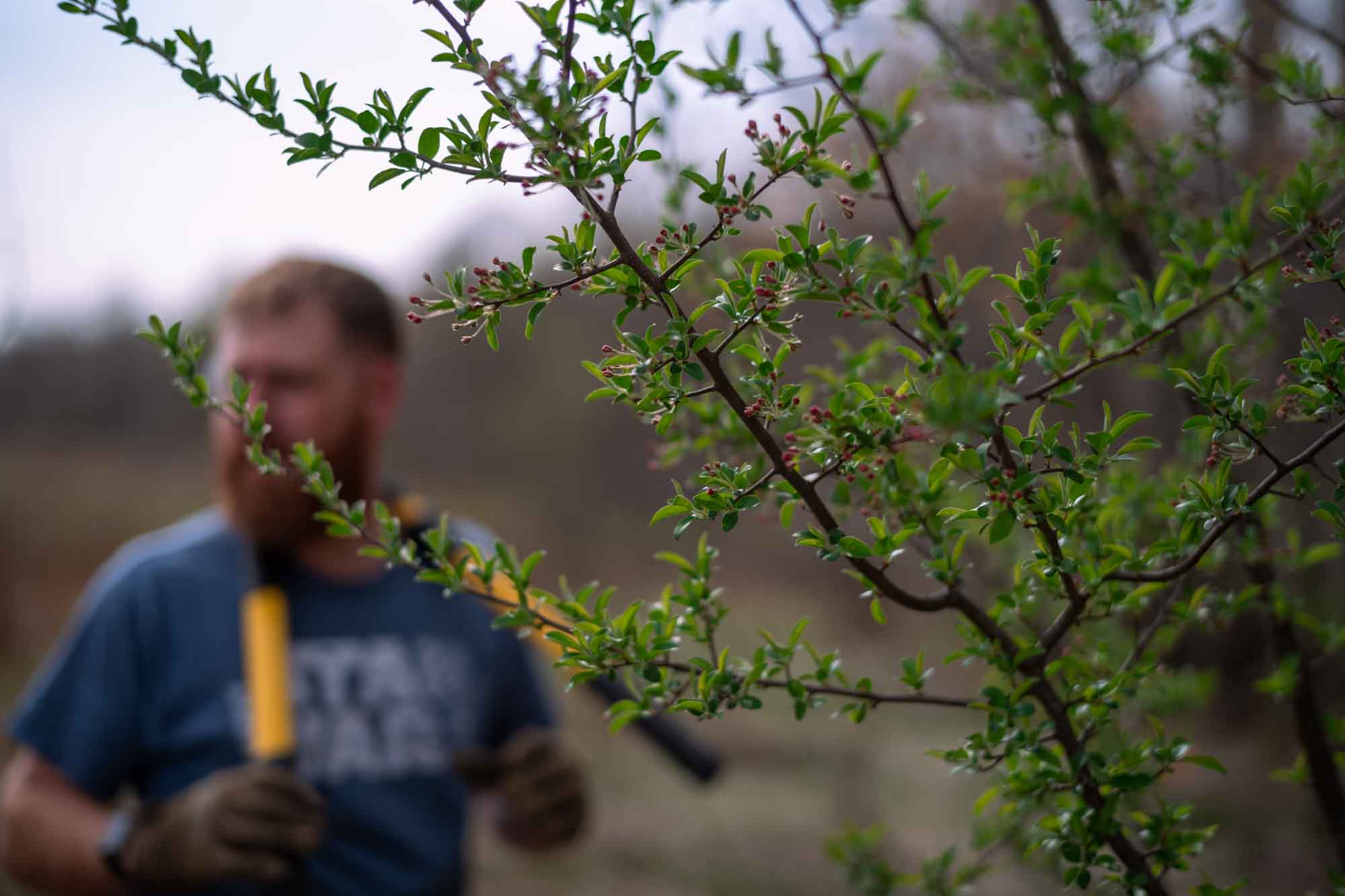
Our main enemies are multiflora rose and autumn olive. Both of these plants are very aggressive, so we wanted to remove them as soon as possible. The longer they stayed in place, the more plants we would have to deal with in the future. Once we started disturbing the land with new plantings or building our house, there would be a risk of spreading non-native plants into the newly exposed areas.
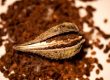
Why remove these plants? Autumn olive and multiflora rose were used and encouraged for decades by the USDA for erosion control, wildlife habitat improvements, and natural fences. On its face, these plants provide food and cover for wildlife, especially birds. While the plants do deliver these benefits, the costs outweigh them. First, the berries of nonnative plants tend to be higher in carbohydrates, whereas native plants have higher protein and lipid content. Natives are typically higher in nutritional value. The invasives are also highly aggressive, so they displace native plants and quickly smother the competition. This combination would be similar to replacing farmer’s markets and grocery stores with fast-food chains. Yes, they provide food, but I don’t think we would be better off under that scenario.

How to remove nonnative plants
We began scouring the internet for the best ways to kill various invasive species. We quickly became overwhelmed by the amount of information we came across. While we wanted to limit the use of chemicals on the land, we decided that we would use herbicide in a limited and targeted way. It would have been nice to avoid them. However, the benefits of thoroughly removing the plants seem to outweigh the risks of contaminating the surrounding landscape, assuming we do it properly.
After researching which active ingredients would work best, we settled on triclopyr. It seemed to be one of the better options for our target plants. For ease of use, we bought a ready-to-use formula to limit exposure and reduce any mistakes on our part. The three main methods for applying herbicides are foliar, basal bark, and cut stump. Foliar is the easiest, which involves spraying the leaves. Unfortunately, this also results in the most overspray and possible contamination. A basal bark treatment requires a little more precision, with the herbicide being applied directly to the plant’s trunk. While this targets a smaller area, it still needed more herbicide than we wanted to use.
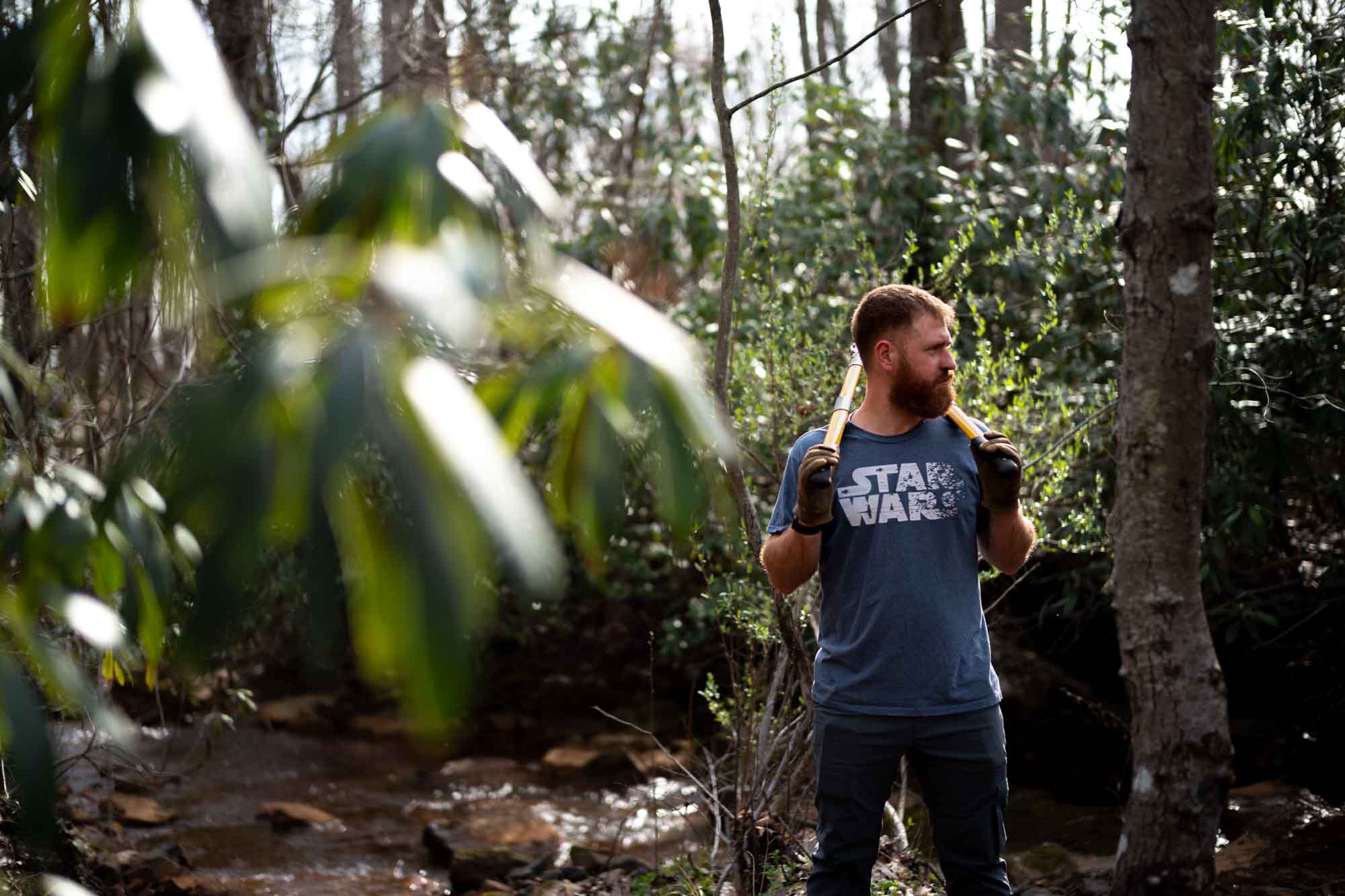
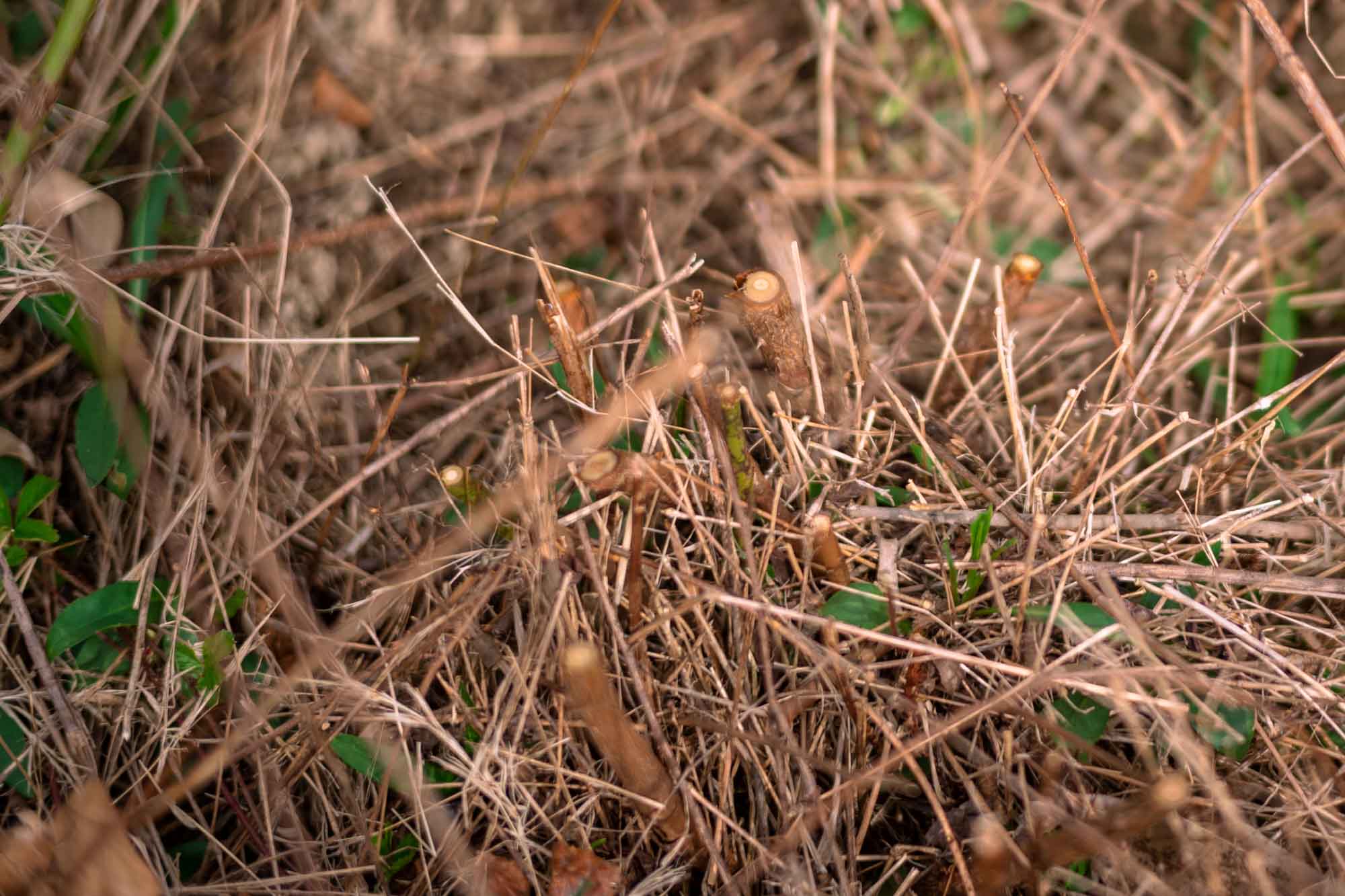
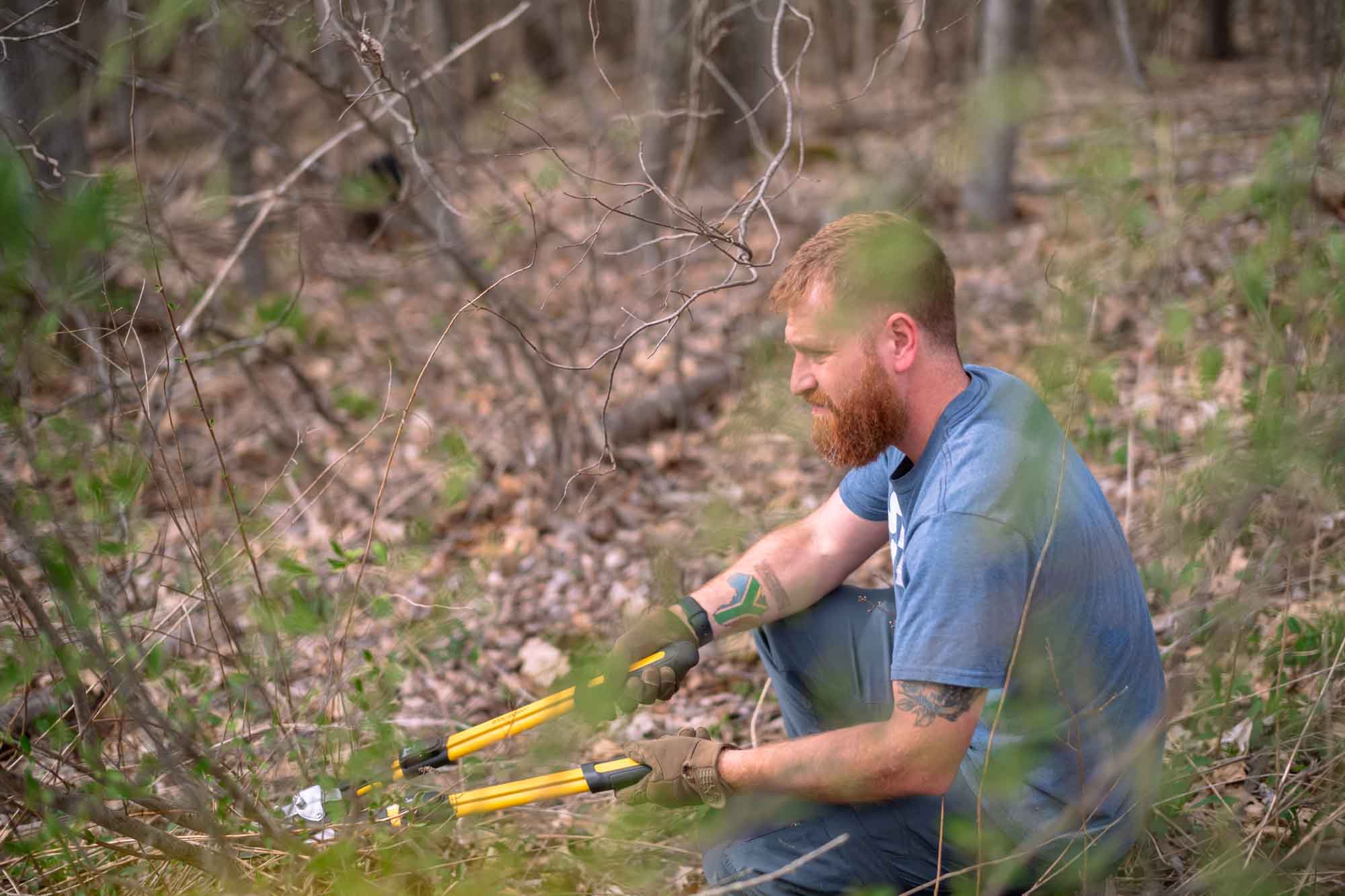
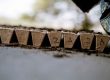
The ideal method for us was combining the stump cut method with herbicide applied using a sponge dauber. The applicator consists of a small bottle and specially designed cap that releases the herbicide when upside down and pressure is applied against the cap. Once the plant is cut relatively close to the ground, the dauber leaves a small amount of the chemical on the newly exposed stump. The dauber leaves no overspray, so the surrounding plants are unaffected. As the plant attempts to pull nutrients down into the root system, it will now pull the herbicide down. All of this should result in a lot of dead invasives. For multiflora rose, the pruned parts can remain on the property. For autumn olive, we have to remove anything we cut. If not, the plant can continue to spread.

The fight goes on
The story doesn’t end here, unfortunately. By definition, invasives are highly aggressive and will spread rapidly and for a long time. The seeds already spread can stay in the soil for decades before they sprout. This means your efforts must outlast the seed bank, at a minimum. Because most people are not as diligent or don’t care, you could have invasive plants coming in from neighboring lands. Seeds can spread by being washed down a creek, blown in with the wind, or through the wildlife you love. The key is not to get discouraged. While it is a lot of work, any forward progress is better than none.

Resources for invasive plant removal
The West Virginia DNR calls these nonnative plants the dirty dozen:
- Kudzo
- Water shield
- Crown vetch
- Japanese knotweed
- Japanese stiltgrass
- Garlic mustard
- Tree-of-heaven
- Reed canary grass
- Mile-a-minute
- Purple loosestrife
- Multiflora rose
- Yellow iris
You can learn more about all these plants on the DNR site.
If you want specific information about your land, what’s present, how to remove it, and financial assistance, the Natural Resources Conservation Service (NRCS) can help. Details here.