Bird nesting season in West Virginia
It’s bird nesting season in the hills of WV! Around here, most birds breed in May-August. That means that there is a chance you’ll find a baby bird when you’re out exploring. If you do, make sure you know the best thing to do for the bird. (Hint: It’s probably nothing!)

Baby Birds Near Humans
Sometimes birds nest in places that don’t seem to make sense. In the parking lot of our family’s store, Chuck’s Furniture, Northern Mockingbirds, American Robins, Barn Swallows, and House Finches nest in our parking lot shrubs, and at our sister store at Pac5 Furniture, Killdeer nest in our parking lot.
Birds may want to nest near buildings because they offer extra protection from predators and have perches that seem suitable for nests. In some cases, that’s an inconvenience for humans, but if you’re able to give them space, you’ll get to enjoy watching the birds hatch and raise their young!


What to do if you find a baby bird
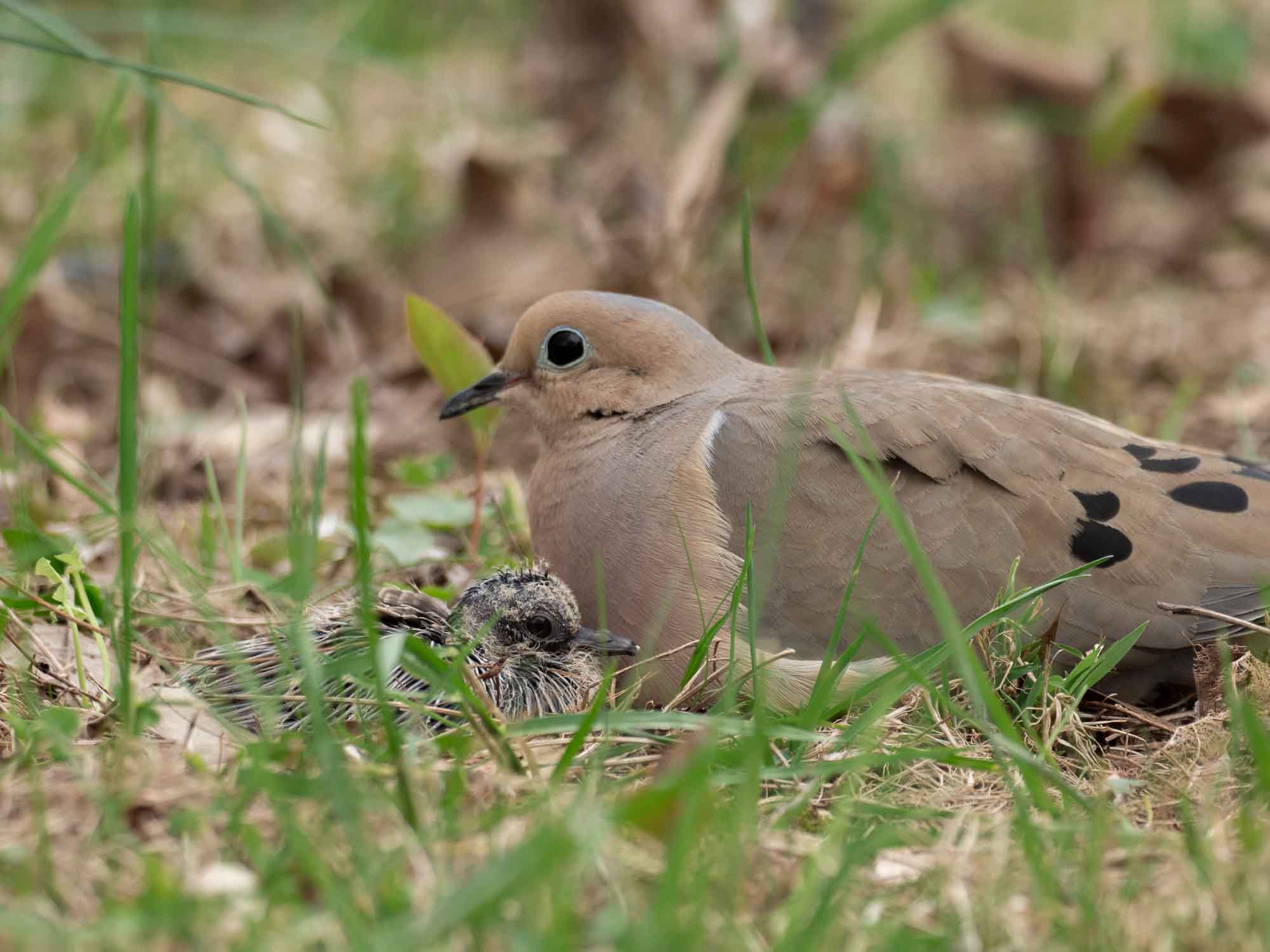
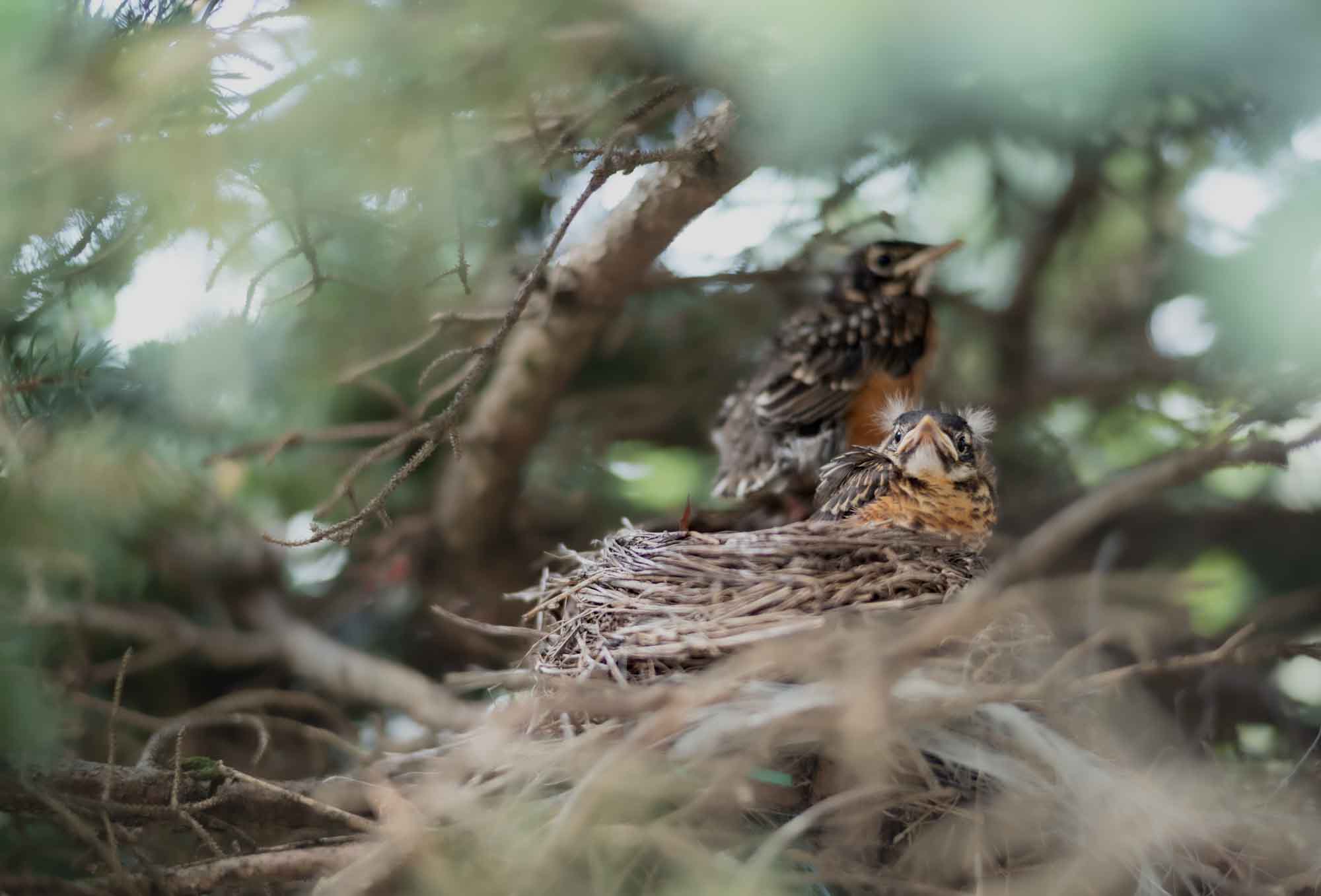
If you see a bird on the ground or in an unusual place, it’s probably a young fledgling who has just left the nest and is learning how to survive on its own. It doesn’t need to be put back in its nest. If it is in an area that puts it at risk of getting hit by a car or found by a dog or cat, you can move it to the nearest safe space, like the closest shrub. Otherwise, just let it be! You can watch it from a distance, and it probably won’t be long before a parent brings it an insect.

Signs a bird is a baby
- Downy feathers
- Seems to be looking for parents (they are nearby, probably watching you!)
- Flexing its wings or trying to fly

What to do if you find a nestling
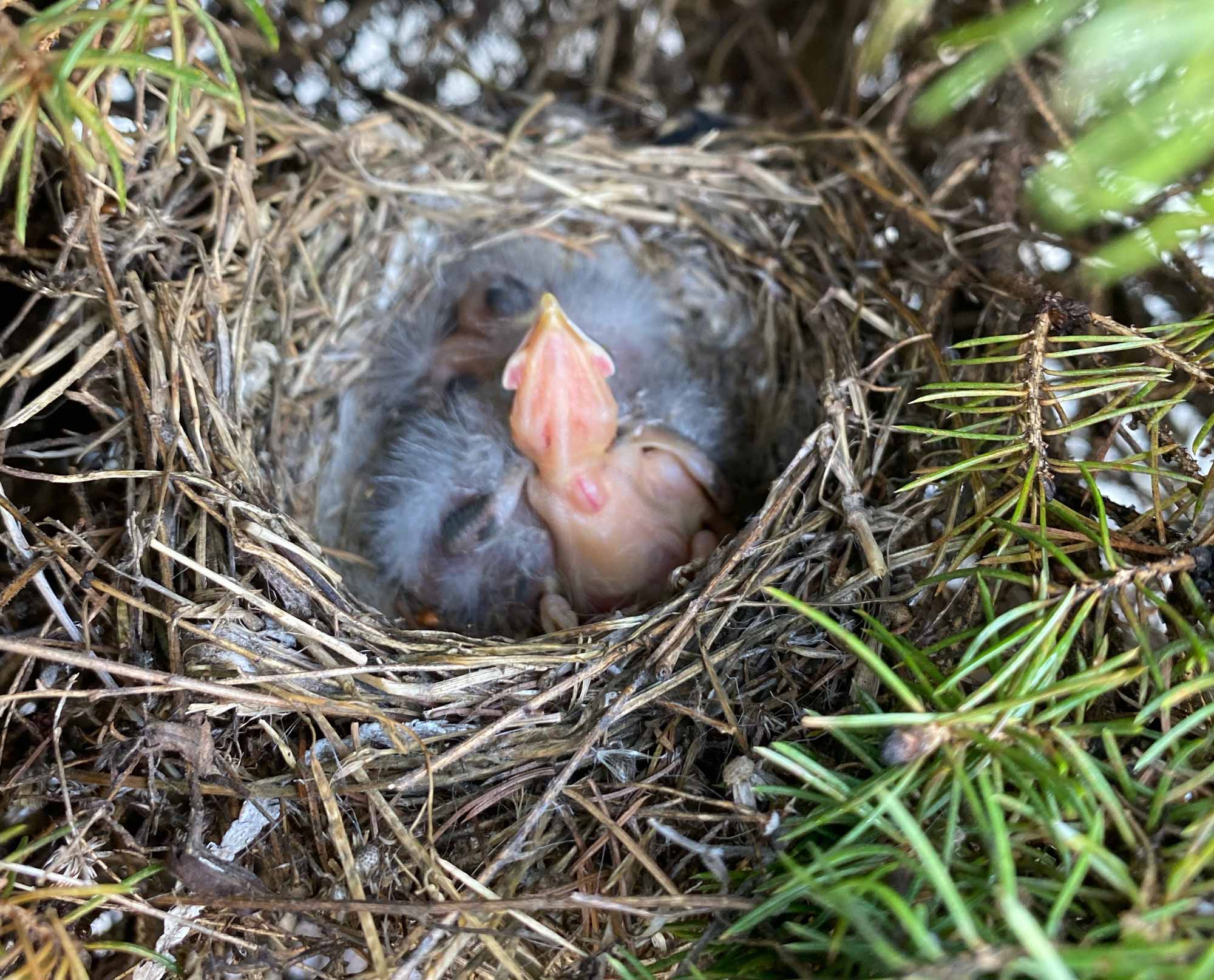
If you find a bird without feathers, it may be a nestling who has fallen out of the nest too early. You can pick it up and put it back in its nest. When looking for the nest, check above you and in nearby bushes and trees. If a nest is out of reach or has blown down, you can make a surrogate nest and attach it to the closest secure location — the Avian Conservation Center of Appalachia says a plastic box with holes drilled in the bottom for drainage can do the trick.

What to do if a bird is injured
If a bird is clearly injured, is covered in fly eggs, or was attacked by an animal, it should be taken to an animal hospital that treats wild birds. In Morgantown, that’s the Avian Conservation Center of Appalachia, next to Cheat Lake Animal Hospital, 286 Fairchance Road, Morgantown, WV. If you’re in southern West Virginia, you can take injured birds to Three Rivers Avian Center in Hinton. If you’re outside of West Virginia, try an online search for your closest avian center or wildlife rehabilitator.

How to look for young birds
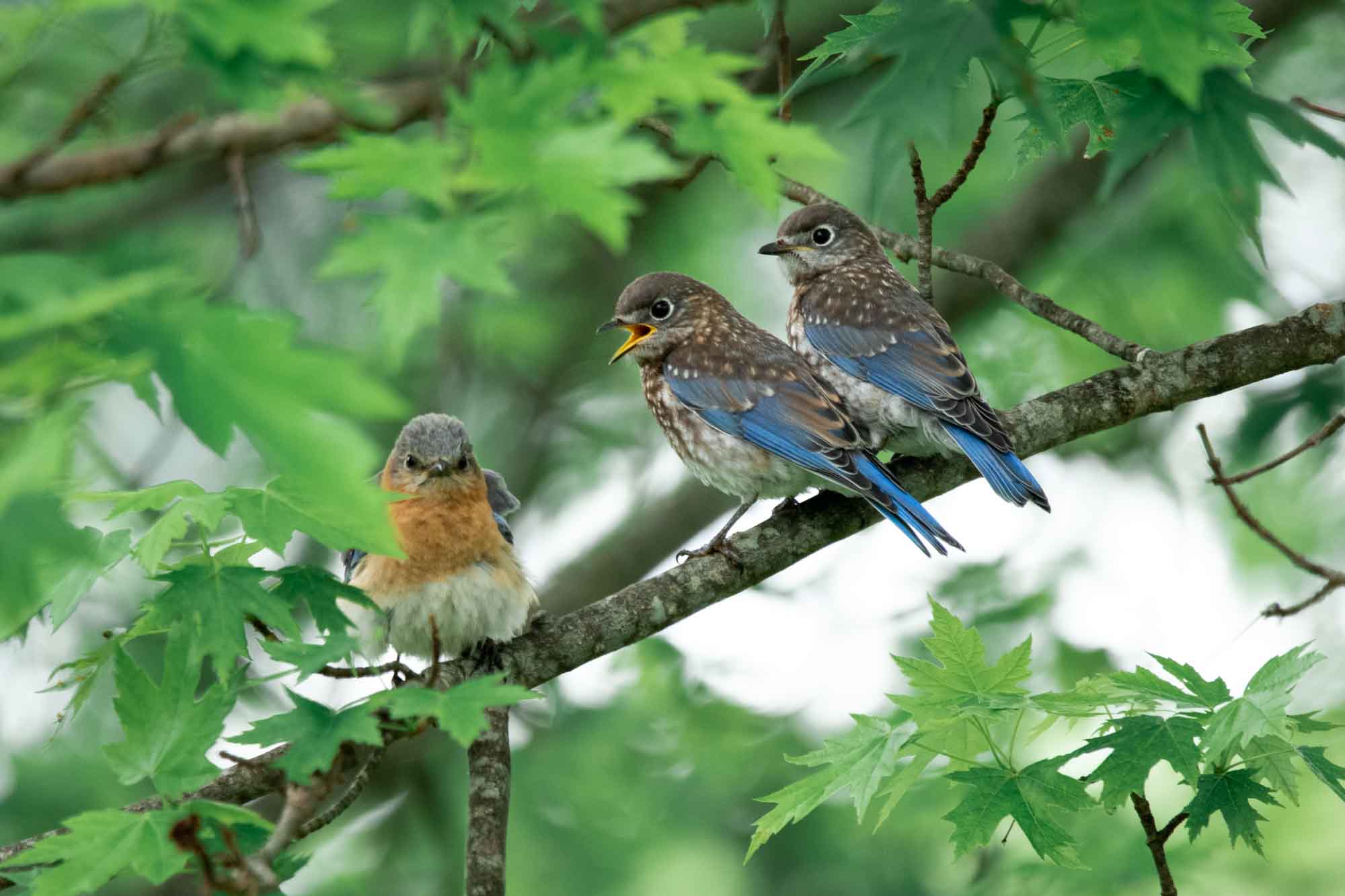
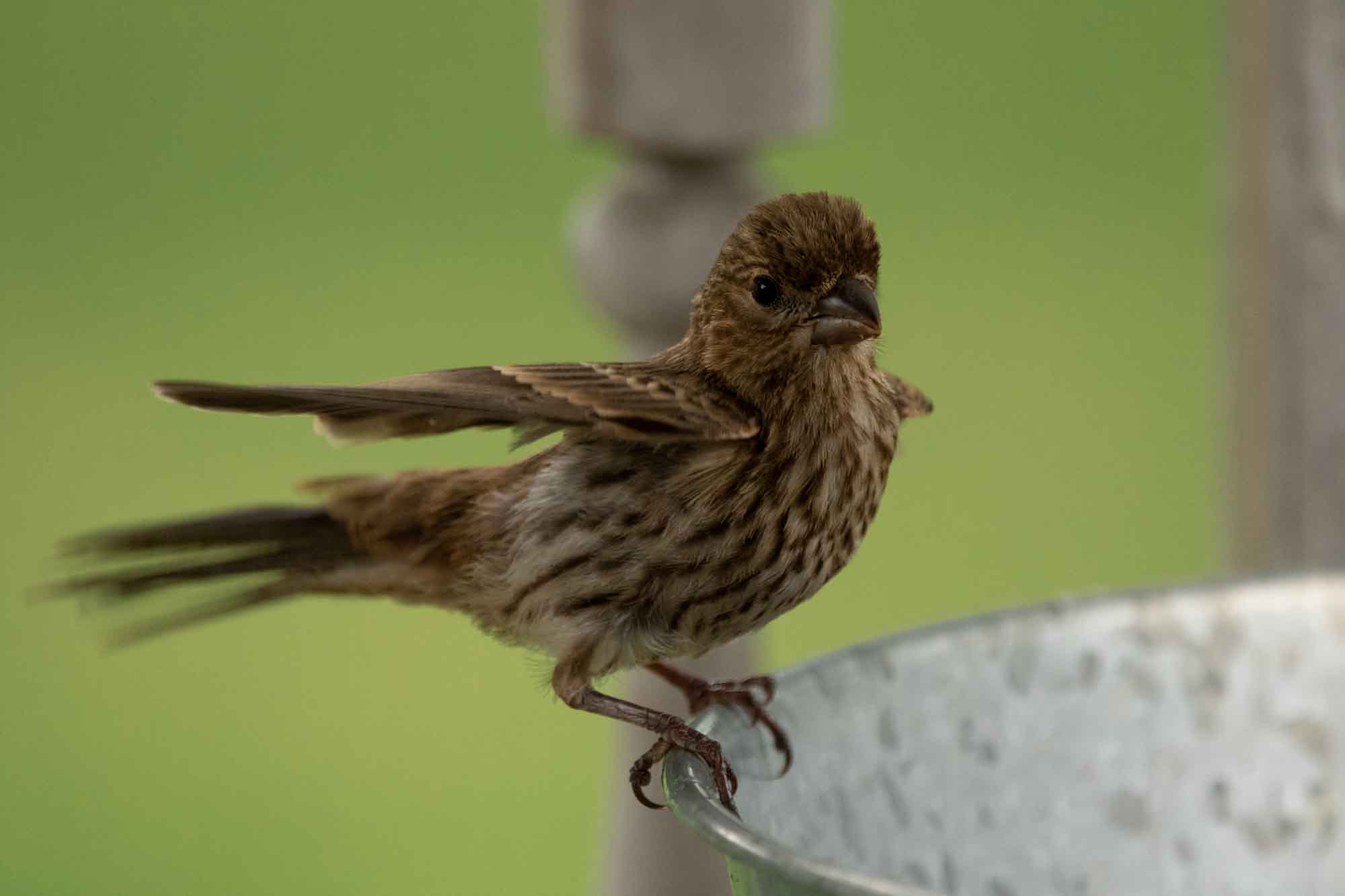
This summer, we hope you enjoy the birds! Keep an eye out for fledglings following their parents around for food. They may look like adults, but their actions will give them away: they like to follow their parents while flitting their wings and begging for food. If you’re looking for birds, slow down, and spend a few minutes in one area and watching for activity. Also, listen for high-pitched chirps and squeaks of begging fledglings.
Baby birds are all around us. There are also places to go to see young birds easily, often near water. Here are a few of our favorite local spots:
- Prickett’s Fort State Park has a fantastic population of Wood Ducks, Mallards, Killdeer, and this year, Common Mergansers. Common Ravens nest in the old train bridge, and you may notice orb-like Baltimore Oriole nests hanging from branches over the water
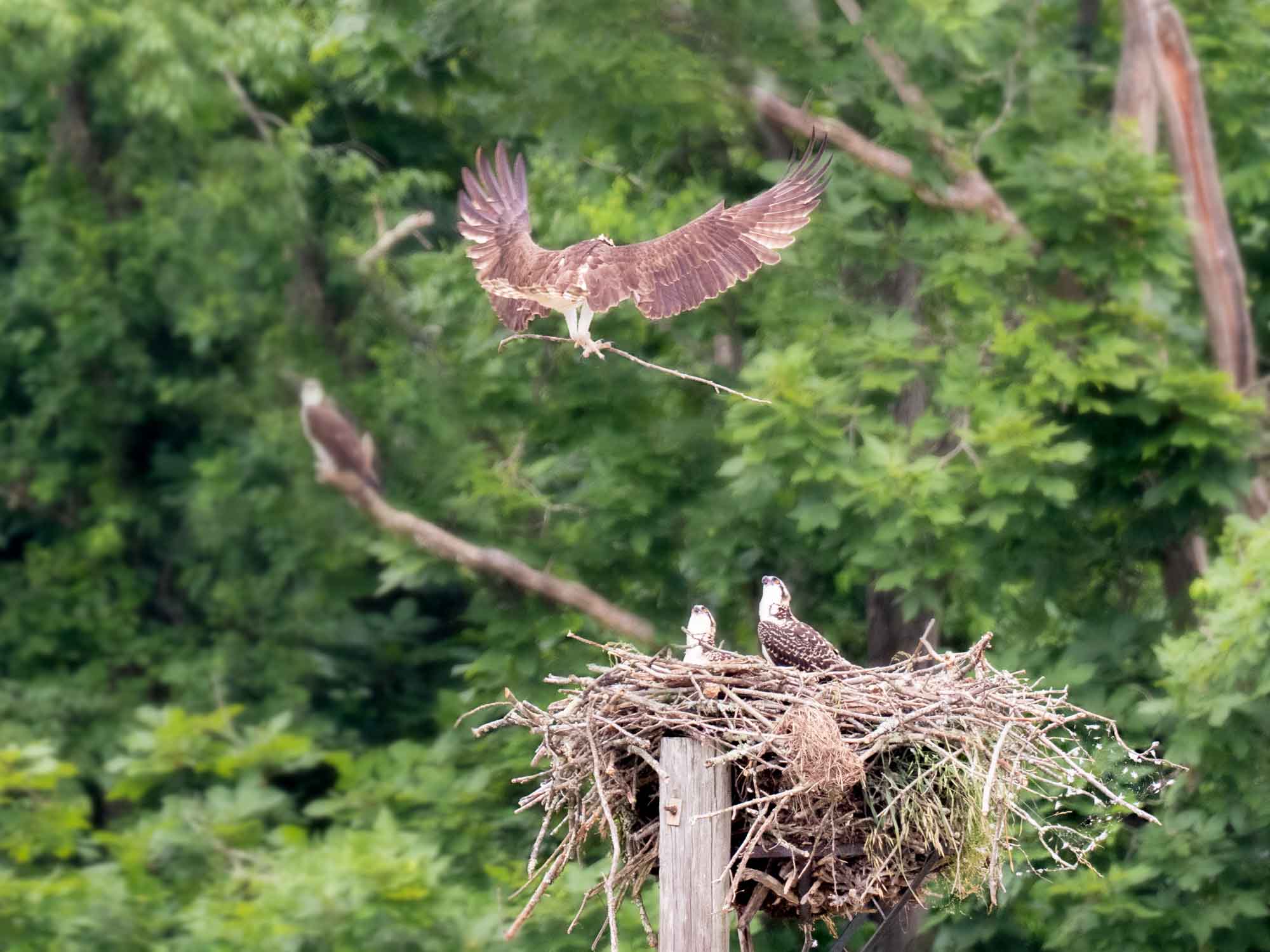
- Other places, like Stonewall Wildlife Management Area, have platforms for Ospreys to nest that are fun to see
- You may find young Bald Eagles around Cheat Lake — or any river!
- Walk the gravel road at the top of Little Indian Creek Wildlife Management Area to find young warblers, sparrows, and Indigo Buntings
- Enjoy an outdoor meal along the waterfront in Morgantown and watch for young geese and ducks
- Join the group Mountain State Birders on Facebook and you may find tips on more local nesting birds that can be safely viewed by the public

Feed mealworms to birds
If you have feeders at home, buy mealworms for parents to feed their young. You can buy dried mealworms, but they really want the live ones, which you can get from places selling fishing supplies or at Wild Birds Unlimited in Morgantown. They are surprisingly easy to manage. If bought from Wild Birds Unlimited, they come in a plastic container with wheat bran for them to eat, and they can be kept in the refrigerator for weeks. Put a few at a time into a container with sides at least an inch or two high, and the birds will feast, likely with young in tow!

Still wondering what to do about a bird you found?
Here’s a resource from the Avian Conservation Center of Appalachia!