Check out the total awe and joy here—all from playing in the creek! If you’re as curious about every living thing around you as we are, then you would love Master Naturalists.
What is Master Naturalist?
The Master Naturalists program teaches the fundamentals of all facets of environmental stewardship: everything from forestry to wildlife to botany, geology, and all types of habitats. Each state has its own program, and West Virginia has many chapters. Most of the instruction is lecture-based, and some hands-on workshops are offered, too. There’s also a statewide Master Naturalist Conference each summer.

Monongahela Master Naturalist Chapter
In Morgantown, we have a robust Monongahela chapter. The chapter is fantastic at getting true experts to lead fascinating discussions on their subjects. Meetings are typically on Thursday evenings and are either at a WVU building or on location somewhere in Morgantown.
Topics covered in Monongahela Master Naturalists
In 2022, our chapter’s lectures include:
- General ecology
- Habitat improvement for wildlife
- Soils
- Wildflowers
- Insects
- Fish
- Birds
- Mammals
- Terrestrial habitats
- Wetlands habitats
- Trees, shrubs, and woody vines
- Trout and fly fishing
- Amphibians and reptiles
- Geology
- Urban forestry
- Pruning woody plants
- Recording and preserving
And a few workshops:
- Aquatic habitat workshop
- Birds and botany interpretive walk
- Geology field trip
Swipe for videos of aquatic macroinvertebrates:
How to Join Master Naturalists
There are no prerequisites to joining Master Naturalists. To become a certified Master Naturalist, you have to attend a required number of courses and complete volunteer hours each year. Costs vary by chapter; here, it’s $60 to join, and that gets you access to all classes, a few supplies to help you in the field such as a magnifying glass, and a hefty manual that’s jam-packed with naturalist resources specific to West Virginia. Even if the certification isn’t the reason you join, you’ll still receive heaps of knowledge to help you be a steward of our natural habitats and appreciate WV’s natural resources even more.


Aquatic Habitat Workshop
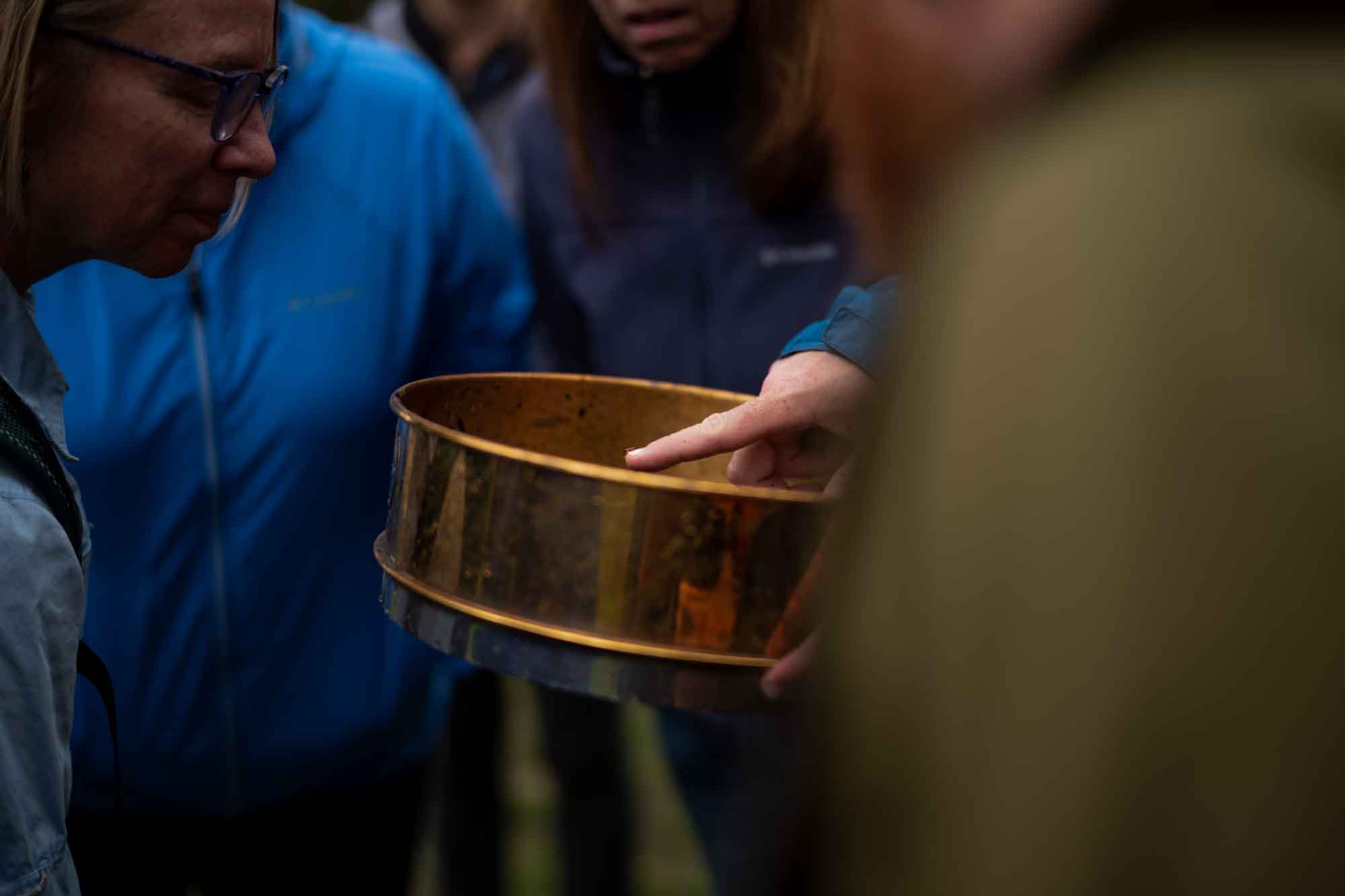
We don’t usually bring the camera to meetings, but we recently took it to an aquatic habitat workshop that was held at the West Virginia Botanic Garden (a gem itself!). In this case, it was led by Brian Carlson, a Senior Scientist and Aquatic Biologist for EnviroScience who specializes in stream and river ecosystems in Appalachia. He talked about aquatic macroinvertebrates – think nymphs of flies, mayflies, and dragonflies, plus crayfish, clams, and the like – before we headed out to the creek with a net to see what we could sweep up.
Explore common macroinvertebrates on this awesome site (trust us, it’s cool) »

Discovering Aquatic Macroinvertebrates
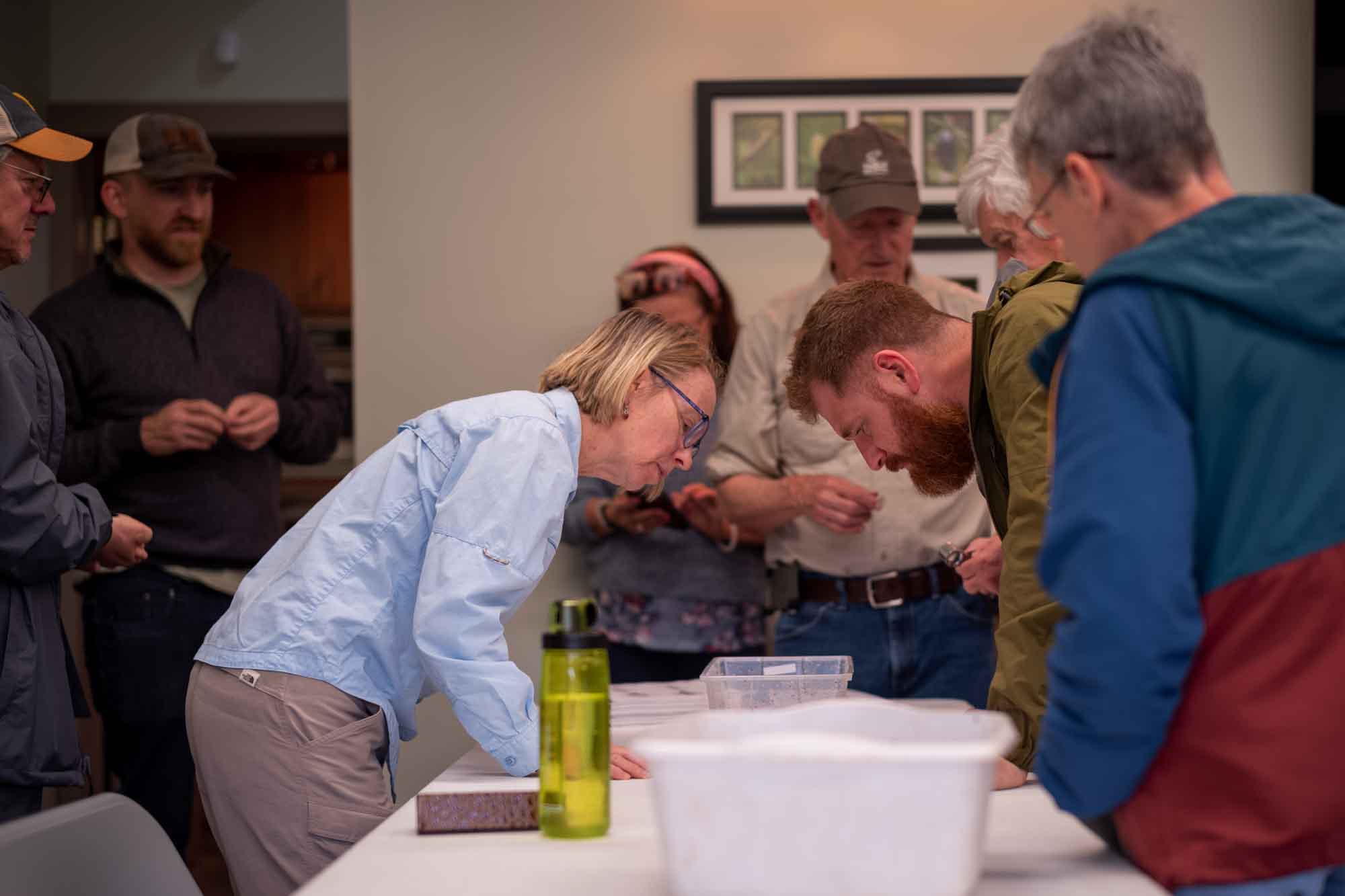
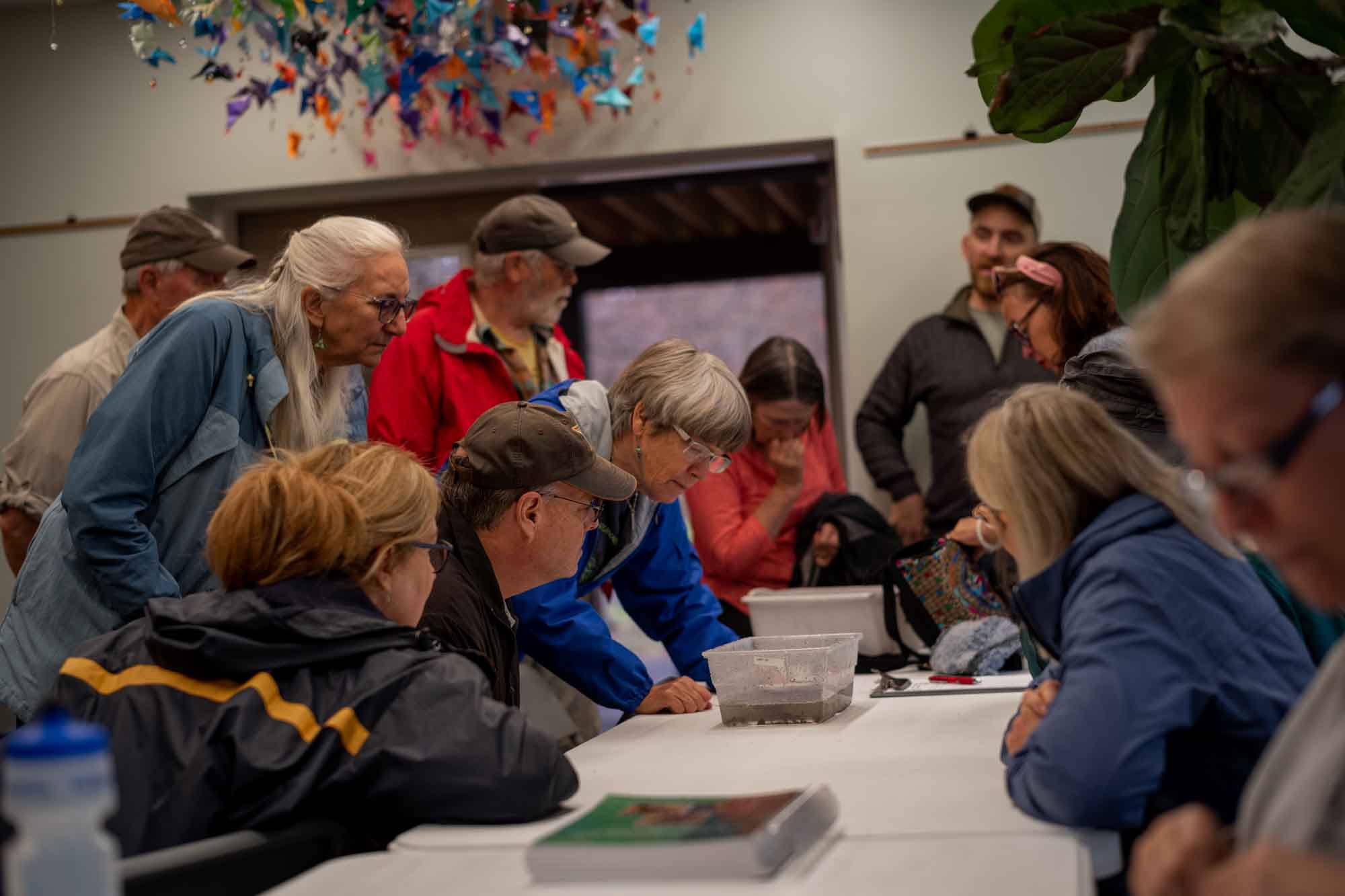
What Brian touted as a slow day due to heavy rains the night before seemed like an explosion of life to me as he sorted the findings into plastic buckets for us to view. So many crawlers were in the stream debris! Our group spent well over an hour observing the dozens of invertebrates that were active in the water among leaves and rocks from the stream.

Come to a Master Naturalists Class!
Even though each class isn’t as hands-on, they are always just packed with value and knowledge. We’ll be attending several more lectures and workshops here in Morgantown before heading to the state conference in July. This year, it’s at Chief Logan State Park near where we conducted Breeding Bird Surveys last June.
If you want to attend a Master Naturalist class, check out WV’s chapters here, or let us know if you want to join a Monongahela Chapter class!