When we started looking for property, we knew our priority was to actively manage it for wildlife. While we both know a good deal about nature and we’ve been studying up, we aren’t experts. One of the first steps we took upon closing on the property was to meet with experts.
The first group we met with was the Natural Resources Conservation Service, commonly called NRCS. We have multiple meetings scheduled, and I’m sure many more to come. Our first meeting was with Lacey about pollinator habitat. Her enthusiasm was fantastic and only served to get us more excited for the work ahead.
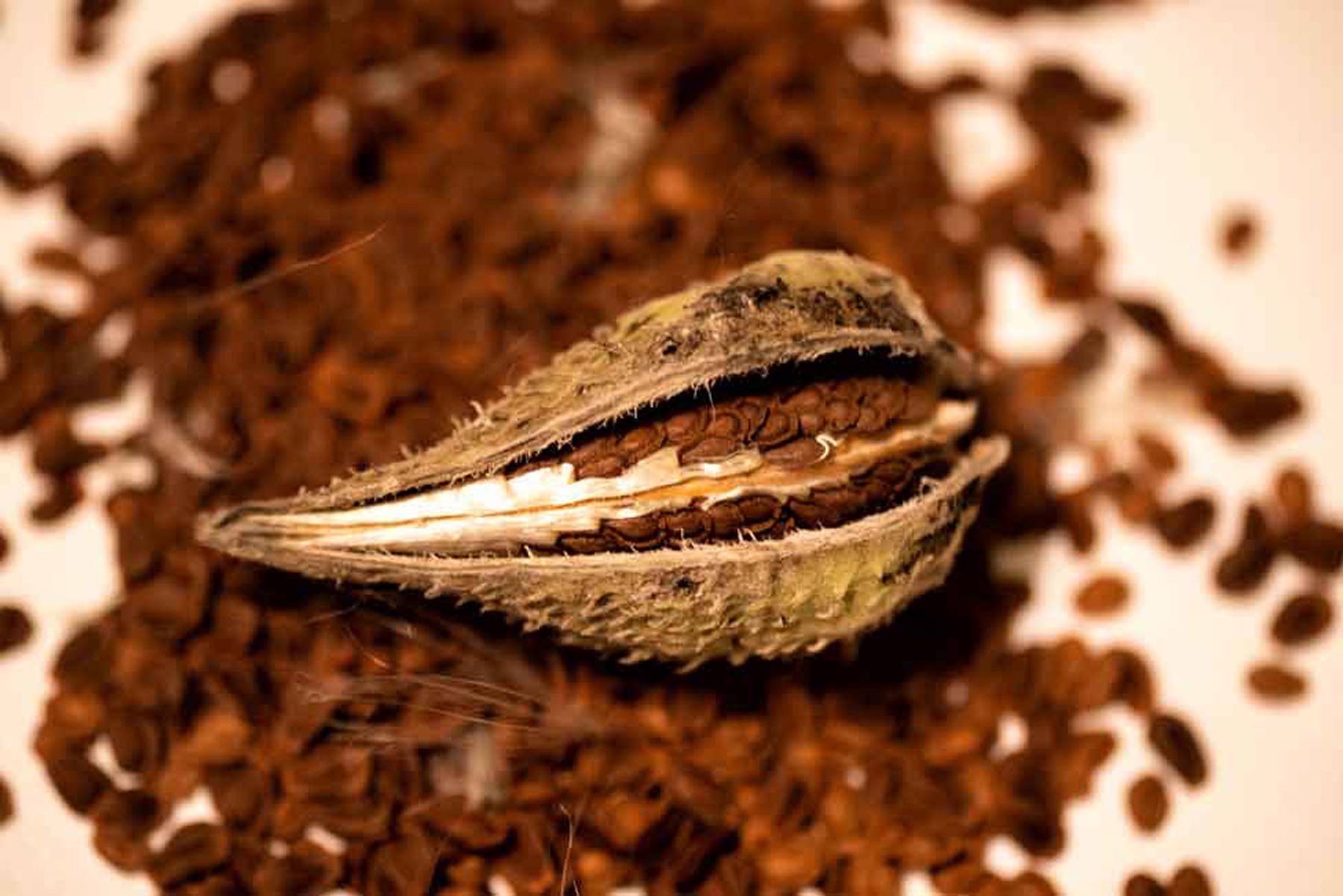
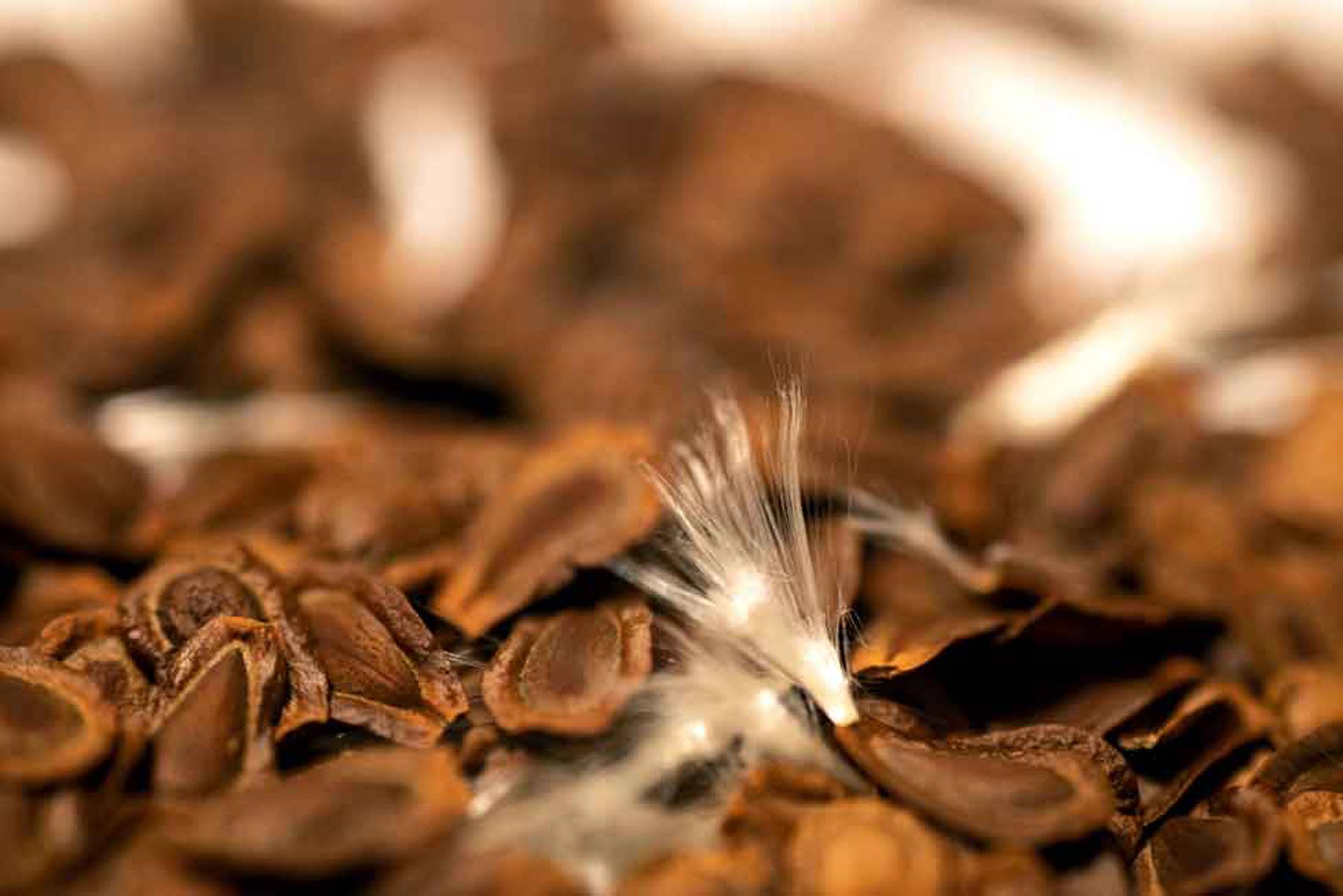
While walking the property, we found milkweed, both common and butterfly, and Lacey taught us what to look for to harvest seeds to plant in the spring when we start altering the fields. It’s a bit of a tedious process, but I managed to get a ton of seeds.

Why Collect Milkweed
Milkweed is the host plant – the only host plant – of the Monarch Butterfly, meaning it is the single plant Monarch larvae can use to develop into their butterfly stage. There are more than 100 types of milkweed in the United States, but only some are Monarch hosts. Common host species include Common Milkweed, Swamp Milkweed, and Butterfly Weed.
Many butterflies rely on a single host plant — more on that here.
How to Collect Milkweed
If you already have milkweed growing on your property, you can help it flourish by harvesting the seeds. Google searches can help you find out the details, but here’s a nice video that talks about how to harvest.