Big projects start small
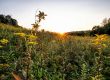
Removing invasives is a necessary part of land conservation but it isn’t the most enjoyable. While there is visible progress, removing harmful plants just doesn’t have the same impact on morale as adding beautiful new plants that will attract wildlife. We were eager to find something to add this summer and we landed on a spot at the forest edge. We have an area that forms a half circle of cleared land protruding into the tree line and will make a great wildlife garden between our future guest house and the woods. Beyond it is a path leading to the creek that will make a tranquil space for us and guests to explore.

Breaking ground
Because we were well into summer before we started planning, we decided to spend a couple months preparing the area with planting happening in late summer or early fall. There were a handful of large autumn olive trees in the area so we hadn’t completely gotten away from invasive removal. However, dealing with a small, focused area, the work went quickly and was fairly easy.
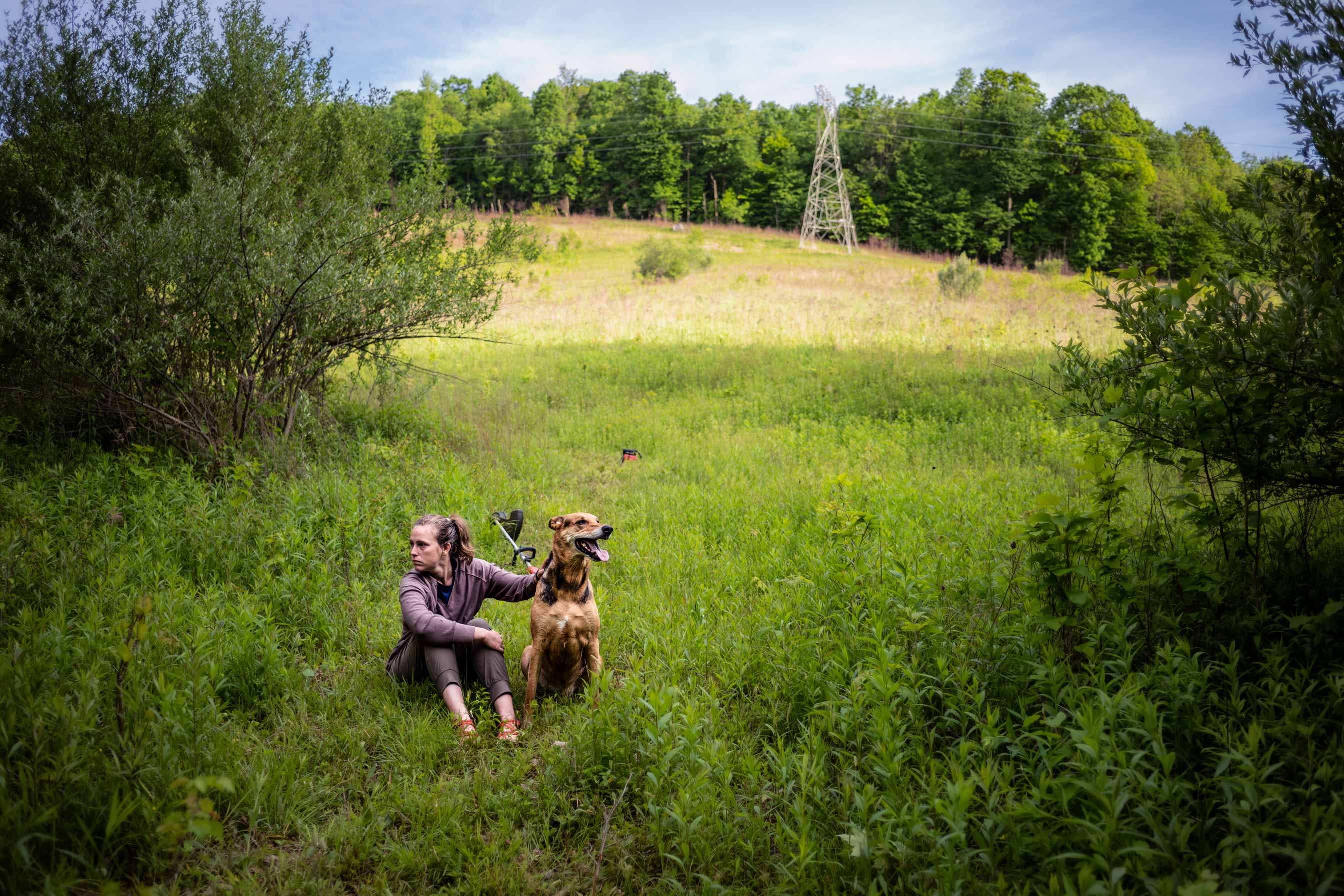
The field is thick with grasses and forbs so our next step was to cut it down to a manageable length. We haven’t brought any equipment to the property yet so the task fell to my weed-eater. It wasn’t the quickest or easiest way to mow a field but I survived. After doing a lot of research, I knew I didn’t want to till or otherwise disturb the soil structure. Our next decision was how to kill the existing vegetation down to create our planting beds.

Laying the groundwork
When trying to control plantings, there are two main techniques that I saw most frequently. For small garden beds, most people recommended starting with a layer of cardboard and then covering with mulch. By blocking sunlight, this keeps weeds and undesirable growth down while also holding in moisture and allowing plantings above to still receive light. The other option is solarization, which involves laying down clear plastic and creating a greenhouse effect that “cooks” the plant material and seed bank underneath. But which option to choose?
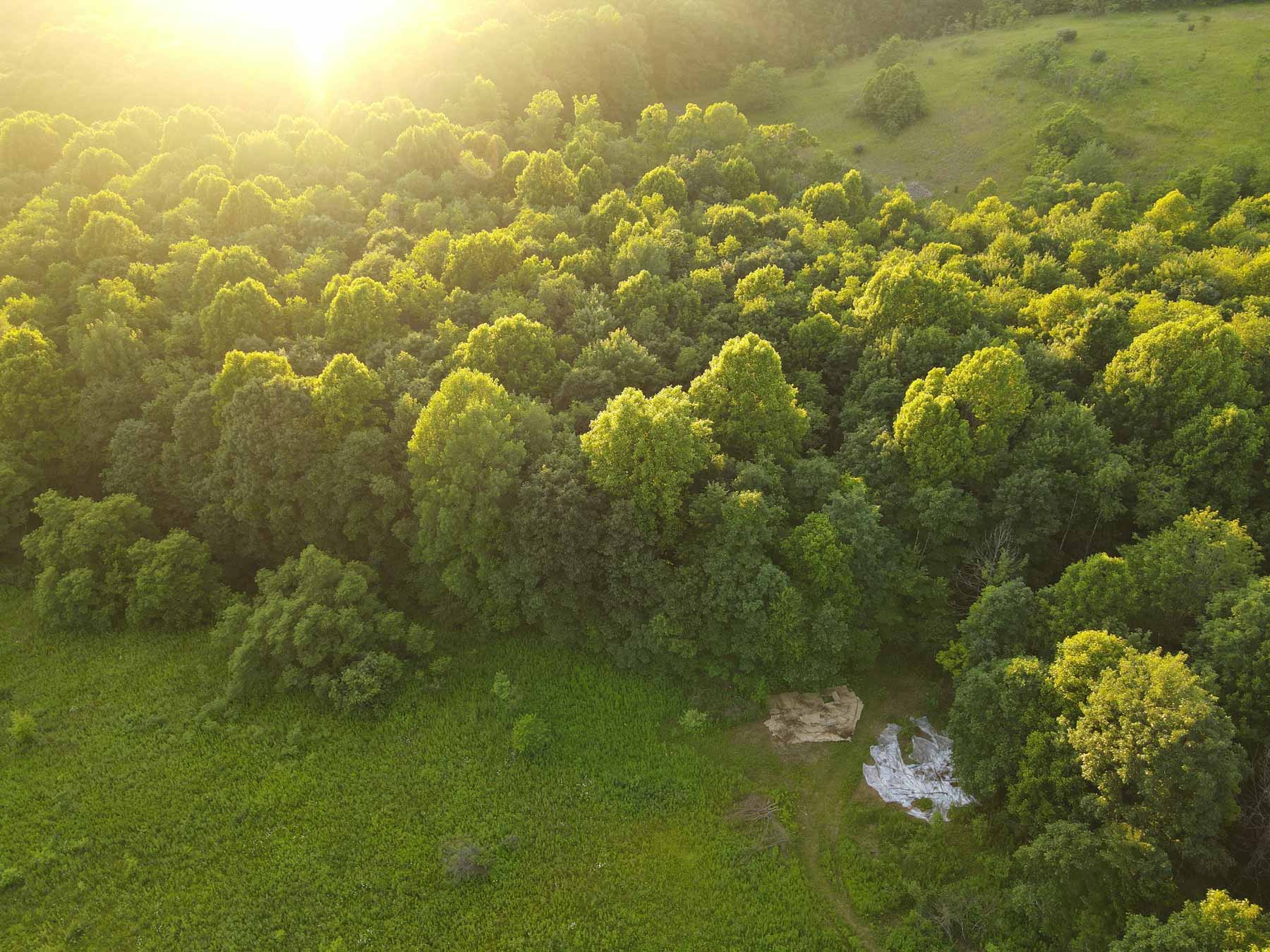
The biggest hurdle I have when researching anything is information overload. It seems that with every new piece of information I find, they all seem like valid options. Why not try both? While listening to those with more experience is wonderful, there is no better way to learn than to simply try. Because neither of these options would actually harm the ground underneath, I decided to set up two different test areas. Managing a furniture store gives me access to enough cardboard and plastic to cover the whole state of West Virginia so materials were not an issue. One area would spend the summer covered in cardboard and the other in plastic.
Laying cardboard seems to be much more straightforward. The main goal is to prevent light from reaching the vegetation below so the process is less complicated. With solarization, the build up of heat is important. Tight edges, which is easier to get with machines than by hand, are important for maintaining high temperatures. Having wet ground also aids the process. Because the land is vacant, we didn’t have easy access to water yet but the property does stay relatively wet so our fingers are crossed. In a few months, we’ll see which process wins out.